
What is Azolla?
Azolla. In this post we are going to cover the good and bad sides of this aquatic plant so you know what you can expect when you see azolla growing.
Azolla (Azolla filiculoides) is a small aquatic, freshwater fern that is a free-floating species that can grow rapidly. Azolla is a native species which usually appears in the warmer months.
Azolla can be a deep-green colour which can change to have a red-ish tinge.
The Good:
Azolla can be a great food source for aquatic animals including fish, insects, birds and other aquatic life. Its clumping growth can provide a shelter for animals from predators that hide beneath the mass.
Azolla takes up nutrients from the water. Does not pose a health threat for animals and people. Harvested azolla is a great fertiliser for terrestrial plants.
The Bad:
Too much of a good thing can always lead to headaches down the track and we often get calls about peoples dam completely covered by azolla, creating a thick blanket that seems impossible to ‘weed’.
In unmaintained waterbodies that lack adequate aeration and control over nutrient accumulation, azolla can pose a significant issue.
Excessive growth of the cute little fern can completely outcompete the growth of other desired aquatic species for important things like nutrient, space and light.
Azolla can suddenly drop, adding to the nutrient storages (sludge) at the bottom of the dam. This turns the dam into a bit of an aquatic compost bin and feeds the growth for even MORE azolla next season, or something even more sinister. It’s a vicious cycle.
Azolla can reduce available oxygen in the dam which can be a real problem if you are a fish and need oxygen to survive.
To be blunt, we don’t recommend adding azolla to your system unless you are able to monitor and control its growth. Once your waterbody is covered with azolla, it can be a time consuming and expensive activity to get it under control again.
What We Recommend For Azolla Control:
As always, adequate aeration and a rigorous biological treatment plan is fundamental for managing your dam’s water quality, reducing the nutrient load which accumulates and achieving greater control over aquatic weed and algae. Multiple manual removal ‘weeding’ efforts combined with the application of a suitable herbicide is effective for removing it but remember, if there are nutrients available to the azolla, it will continue to grow.
If you wake up one morning and notice your dam looks more like an oval, give us call to discuss your options or fill out a contact form to request a free assessment.

Related posts
The Ultimate Australian Pond Maintenance Calendar
The Ultimate Australian Pond Maintenance Calendar Ponds can only stay clear, healthy, and algae-free with regular maintenance and upkeep. The specifics depend...

The Role of Beneficial Aquatic Plants for Fish Ponds in Australia
When you think of a typical pond or natural water system, the first thing that will likely come to mind are the...
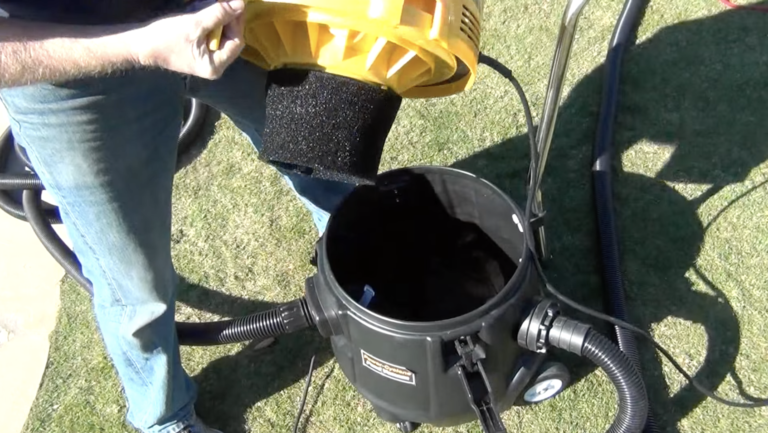
How to Use a Pond Vacuum for Easy Maintenance
Ponds are a great addition to any outdoor space. They offer a wide selection of shelters for insects and aquatic life and...

The Best Pumps for Koi and Fish Ponds
The Best Pumps for Koi and Fish Ponds If you have a koi or a fish pond, their safety is likely at...

The Best Pumps for Waterfalls: What You Need for Stunning Water Flow
The Best Pumps for Waterfalls: What You Need for Stunning Water Flow If you have a waterfall, you’ll need a functioning pump...

What Size Pond Pump Do I Need? A Complete Flow Rate Guide
What Size Pond Pump Do I Need? A Complete Flow Rate Guide Are you asking yourself “What size pond pump do I...