
Best Australian Native Fish for Small Ponds
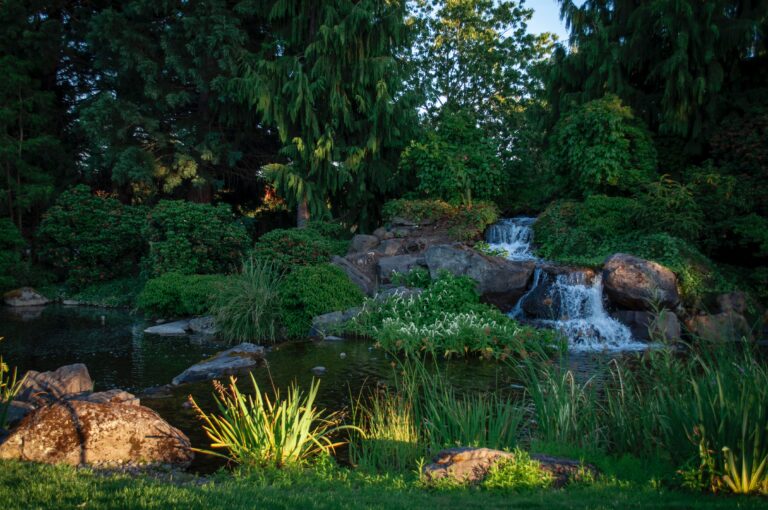
Building and maintaining a small pond in your backyard or garden is something many Australian homeowners aspire to achieve. There is something very calming and tranquil about a pond, particularly if it’s built with a gentle water fountain or waterfall. And it also becomes very rewarding to see a fledgling fish population grow and sustain itself over time.
When thinking about the types of fish usually found in ponds, many people will immediately jump to popular breeds such as goldfish or koi. But while there’s definitely nothing wrong with these species, many pond owners are turning to more native Australian fish species when selecting creatures for their small pond.
In this article, we’re going to take a look at some of the best fish species that are native to Australia for your pond area. We’ll explore how to define what a small pond is and why dimensions are a crucial consideration when selecting which species of fish to buy, as well as offering some key tips on how to make sure your small pond is set up for long-term success and sustainability.
Small Ponds and Creating the Ideal Habitat
Before we take a look at the particular fish species and the benefits they can bring to a pond, we should first define what constitutes a small pond and how best to set it up.
There are no hard and fast rules when defining what a small pond is. It is largely dependent on how big it is relative to the size of the garden or outdoor space. However, as general guidance would go, we would suggest that a small pond constitutes anything less than 500 litres for water volume, or under 200 square feet in area.
Depth is also something that needs to be considered when designing your small pond, as it can impact the types of fish that would be suitable for your space. Generally, most garden fish ponds don’t exceed a depth of 60cm.
Ultimately, only you can decide the ideal size of your pond for your own circumstances. You just need to make sure that fish you select are able to survive comfortably in whatever size pond you choose.
Now let’s explore some of the key considerations you’ll need to make when designing your habitat.
Aquatic plants
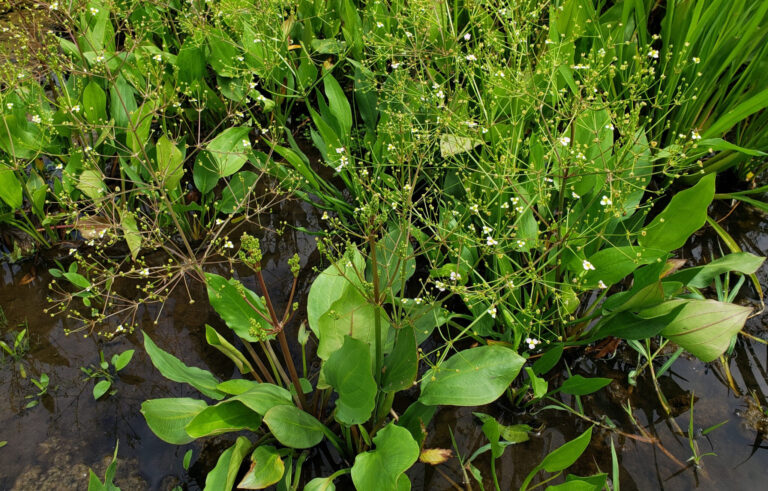
Plants play a crucial role in a pond becoming a safe and healthy place for fish to grow in. Ideally, you’ll have a mix of plants across different locations in and around your pond.
You’ll need some marginal plants to grow around the water’s edge which are great for preventing bank erosion and acting as a spawning ground for fish eggs. You’ll need some surface plants to provide shelter in the water and to help regulate temperature. And you’ll also need some fully subversive plants to help oxygenate the water and keep nutrient levels under control.
Conversely, some aquatic weeds, as well as algae, can become harmful to fish. So you’ll need a method or two to help keep your algae growth under control.
Temperature regulation
Most fish are quite hardy across all types of water environments. However, there is still a temperature range that they often prefer, so it’s important to try and keep this as consistent as possible. As mentioned, you can use surface coverage in the form of water lilies or duckweed to help provide shaded areas. And you can also increase the depth of your pond to give your fish a chance to escape into cooler waters.
You may also set up your pond underneath a tree, or install structures around it, to create additional shade and protection.
Water quality
Fish want to be in water that is clean, clear, and consistent. It needs to be free of inorganic matter such as sand and sediment that might become trapped in gills and cause fish distress. You can achieve this with a steady treatment of flocculants.
You’ll also need to watch out for ‘new pond syndrome’. This often occurs in new pond environments before an aeration system is fully up and running, or when the beneficial, aerobic bacteria needed to handle nutrient levels are still developing. You may experience clouded green water during those first few weeks, and pH levels will likely be volatile.
As such, it might be prudent to hold off introducing fish into your pond until this initial stabilising has taken place.
Predator protection
A final consideration when setting up your pond environment is to ensure that your fish are well-protected from predators that might be lurking outside the water. Fish are often an easy source of food for birds and cats, so you should do all you can to provide fish with ways of staying safe.
As well as an ample supply of aquatic plants and deeper waters to escape down into, you may wish to install some form of trellis or barrier over the top of the pond. It may make the pond look a little less picturesque, but at least your fish will be secure.
Top Native Fish for Your Pond
When it comes to stocking a small pond, choosing the right native fish makes all the difference. Availability, hardiness, behaviour, and compatibility all matter — especially if you’re managing your pond yourself and want things to stay simple.
Below are four Australian native fish species that are commonly available, well-suited to small ponds, and popular with pond owners across Australia.
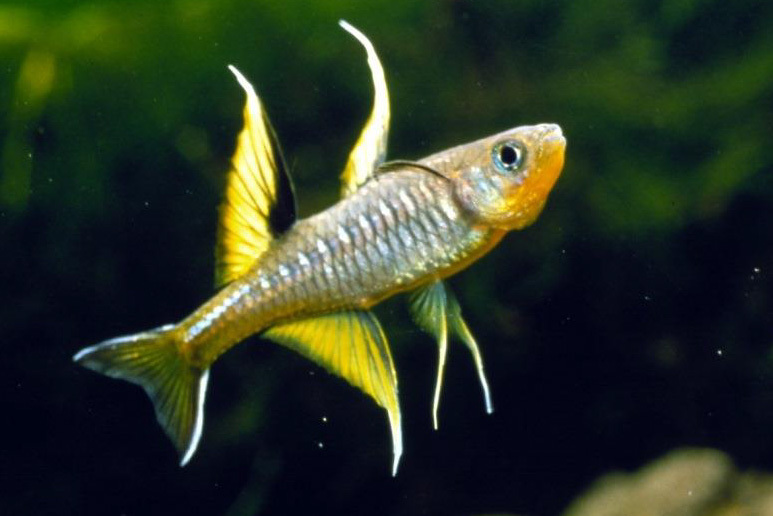
Pacific Blue-Eye (Pseudomugil signifer)
Pacific Blue-Eyes remain one of the best all-round native pond fish for small water bodies.
They’re small, peaceful, and incredibly active, often schooling near the surface. Their subtle blue sheen and yellow fins really come to life in clear water, and they’re happy in ponds with plants, rock edges, or gentle aeration.
Pacific Blue-Eyes are also relatively hardy and adapt well to changing conditions, making them ideal for first-time pond owners.
Best for: Small ponds, beginner-friendly setups, peaceful community ponds
Pygmy Perch (Nannoperca species)
Pygmy Perch are a fantastic choice if you want something a little more “pond-like” and less ornamental.
These small, native fish prefer sheltered environments with plenty of aquatic plants, submerged timber, or leaf litter. They’re quiet achievers — not flashy, but incredibly well-suited to natural-style ponds and water gardens.
Because they tend to keep to themselves, Pygmy Perch often do best in ponds where they’re the primary or only fish species.
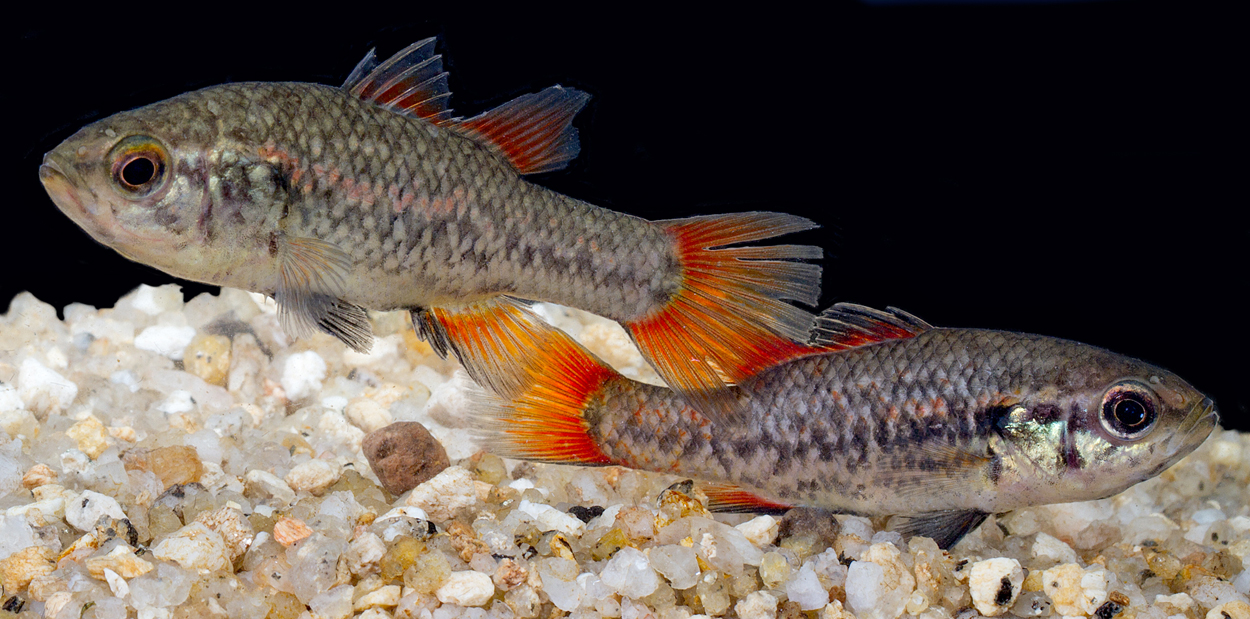
Best for: Natural ponds, planted ponds, single-species setups
Murray River Rainbowfish (Melanotaenia fluviatilis)
If you want movement, colour, and energy, Murray River Rainbowfish are a great option.
They’re slightly larger than Blue-Eyes and Pygmy Perch, and they do best in groups where they can school and show off their iridescent colours. These fish are hardy, adaptable, and commonly available from native fish suppliers.
Murray River Rainbowfish prefer a bit more space than the smaller species, so they’re best suited to small-to-medium ponds rather than tiny water features.
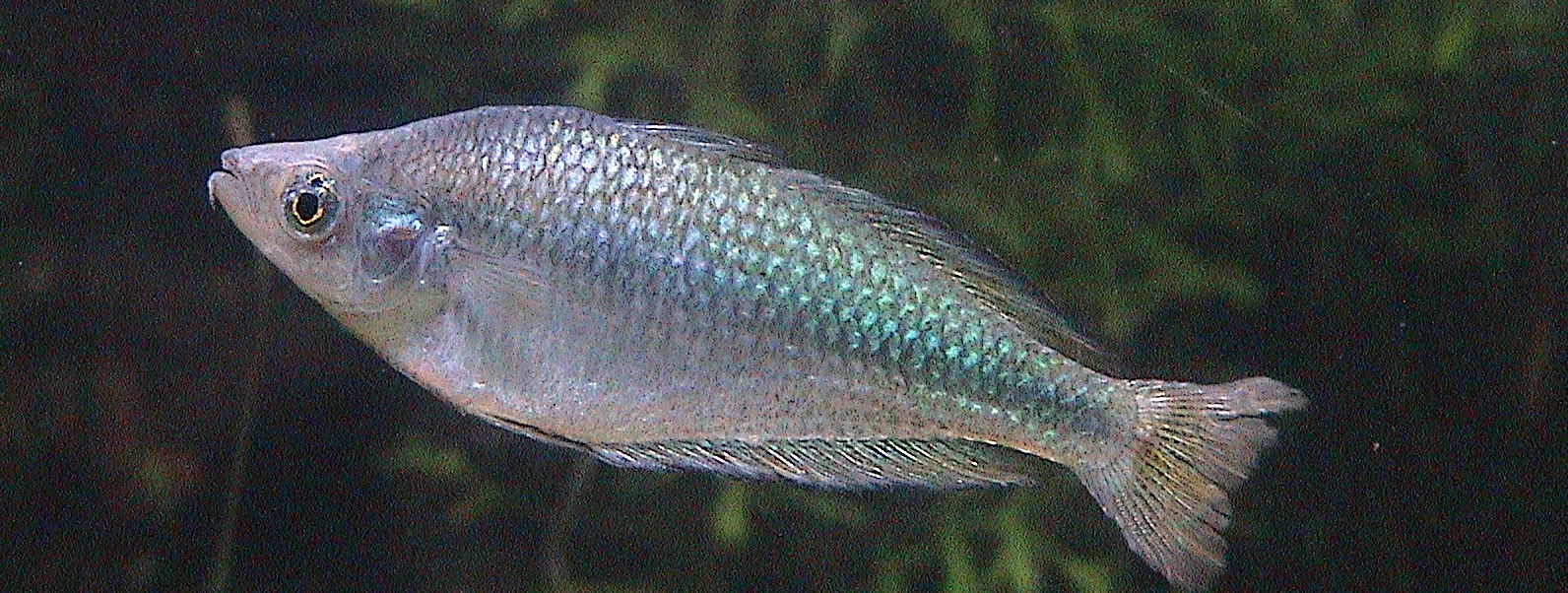
Best for: Slightly larger ponds, active fish displays, experienced pond owners
Purple-Spotted Gudgeon (Mogurnda adspersa)
Purple-Spotted Gudgeons are one of Australia’s most characterful native pond fish.
They’re bottom-dwellers with bold markings and lots of personality, often perching on rocks or logs and watching the world go by. While they’re generally hardy, they can be territorial — particularly during breeding season. Because of this, they’re often best kept either on their own or with carefully chosen, compatible species.
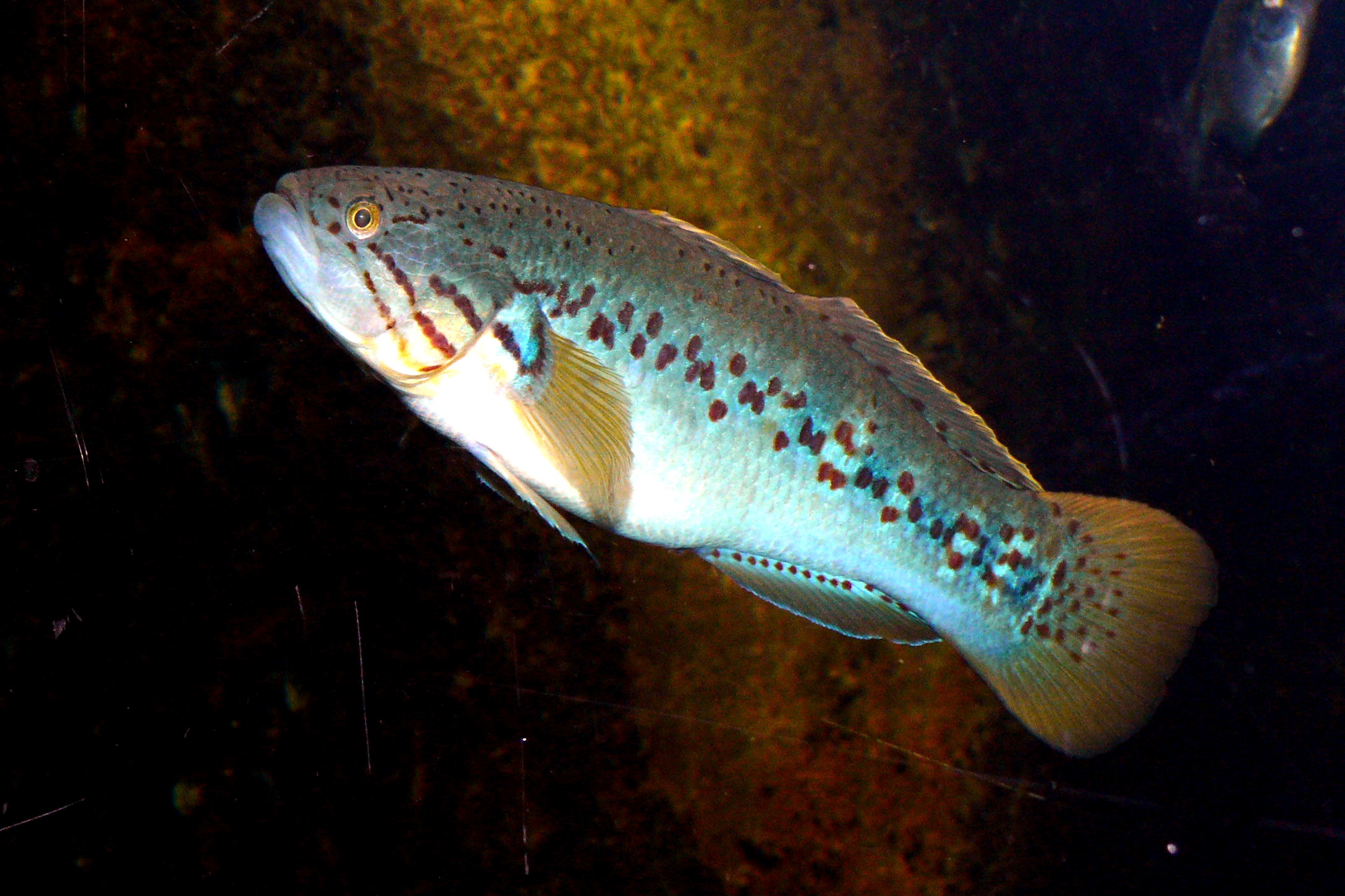
Best for: Feature ponds, ponds with rocks and structure, owners happy to keep things simple
A Note on Compatibility
If you’re planning to keep more than one species, it’s important to check compatibility first. Some native fish are peaceful schooling fish, while others can be territorial or may outcompete smaller species.
If you want the easiest, lowest-maintenance option, running a single species per pond is often the safest and simplest approach. It reduces stress on the fish, avoids compatibility issues, and makes pond management much easier.
When in doubt — keep it simple, keep it native, and choose species that suit the size and style of your pond.
How to Maintain Your Native Fish Pond
With careful planning and implementation, you should be able to get through the tricky early stages of establishing a fish pond and making sure that your little guys settle in without issue. However, keeping a fish pond is an ongoing project, with several things to keep an eye on throughout the year and beyond.
Some of the main considerations for maintaining a successful native fish pond include:
- Feeding: Fish are excellent natural forages and will be able to sustain themselves to various levels with the plants, insects, and microorganisms that naturally dwell within a pond. However, you should combine their natural food sources with additional supplementary products such as fish flakes, particularly if the bulk of your fish are carnivorous.
- Winter care: Winter is often a nervous time for fish owners as fish drastically alter their behaviour in cold conditions. Australia is more fortunate than other areas in that it doesn’t experience freezing temperatures as often as other countries. However, if a cold snap hits, make sure to leave a blow hole in the ice so your fish can still have access to oxygen.
- Adding new populations: You should always conduct your due diligence if you’re looking to add new species of fish into an established pond. We always recommend a quarantine period prior to sending them into your main water body to confirm the new fish are healthy. And they should be introduced gradually to avoid stressing or unsettling the fish that are already there.
Final Thoughts
There’s no question that fish ponds are a rewarding addition to any outdoor space. They provide a source of relaxation for owners and a vital ecosystem for fish, frogs, and dozens of insects native to Australia. And while they do take careful research and hard work to set up and maintain, the results are often more than worth it.
We’ve been providing expert advice and guidance on all things related to ponds and dams for over fifteen years, including the most effective methods of introducing fish to your water systems. We offer a huge range of tools and products to make sure your water quality remains suitable for your fish, including our range of aerators and probiotic Biostim solutions designed to keep your algae and weeds under firm control.