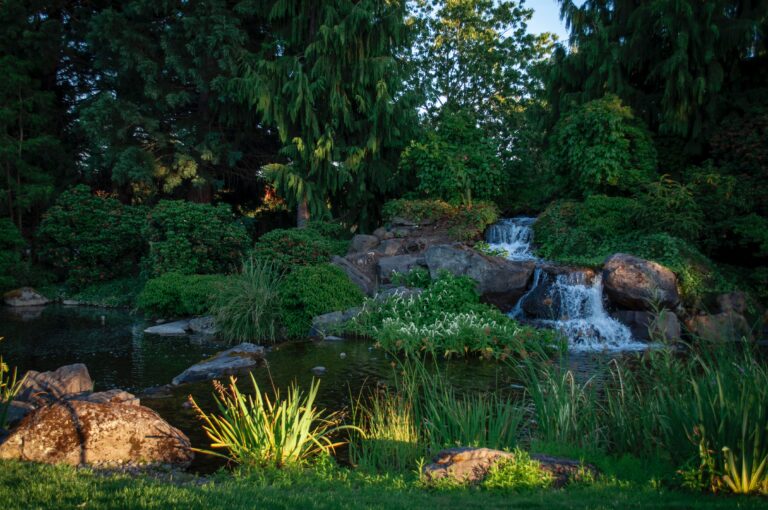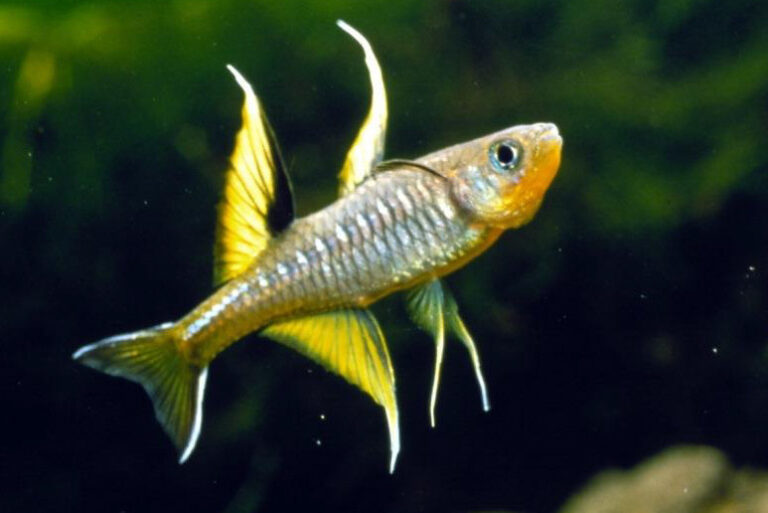

When you think of a typical pond or natural water system, the first thing that will likely come to mind are the native animals that dwell around and within them. Fish, frogs, newts, and all other manner of creatures love these types of environments, turning them into thriving ecosystems where they can live in peace.
However, none of this would be possible without the other side of the equation – the native, aquatic plants. You’ll often see sprawling flowers around the edges of a pond or dam. And you may be tempted to believe that they are there simply for aesthetic purposes.
But aquatic plants, whether they are surface dwellers or grow deep within the water, serve a vital role in keeping a water system from becoming overrun by invasive plants and anaerobic bacteria. They’re much more than simply a pretty add-on.
In this article, we’re going to explore why and how native plants are essential for the long-term health of a fish pond, lake, or dam. We’ll take a look at the main types of native plant you may wish to add to your water system, with some popular examples of each. And we’ll round off by touching on some key maintenance considerations and some mistakes you should look to avoid.
The Key Benefits of Aquatic Plants for Fish Ponds
The typical Australian pond or dam environment faces a number of challenges on a regular basis; invasive species, excess heat and variable rainfall levels will often make it a battle to keep a water system healthy. And that’s not to mention the effects that agricultural runoff and decaying organic matter can have on the balance of your watery ecosystem.
That’s where aquatic plants come in. When grown and maintained correctly, they can provide the following benefits for a pond or dam that are crucial for its survival.
They oxygenate the water
First and foremost, they provide the oxygen that fish need to live through photosynthesis. While it is possible to infuse water with oxygen through aeration, submerged aquatic plants are highly effective at maintaining an oxygen-rich environment throughout the day when there are ample levels of sunlight.
This type of setup also helps to stimulate the growth of aerobic (oxygen-loving) bacteria cultures, which are vital for consuming nutrients that invasive plants and weeds thrive off.
They regulate temperature
Many species of fish do not enjoy living in very warm waters, which is a common issue faced by Australian pond owners. Surface-growing plants such as lilies and duckweed are excellent at providing shade for fish within a water body and keeping the water cooler than it otherwise would be. Cooler water also means that the rate of anaerobic bacterial growth is reduced.
When used in combination with something like pond dyes, aquatic plants are key drivers for temperature regulation.
They stabilise pH levels
One of the key indicators of a potentially harmful water environment for fish is the pH levels within a water body. Harmful chemicals such as ammonia, phosphorus and nitrogen can cause havoc with these levels and make life difficult for fish.
Aquatic plants help to regulate these levels by releasing oxygen into the water during the day (thereby lowering levels) and carbon dioxide during the night (which brings them back up).
You should always aim for a pH level of between 6.0-9.0 throughout your water body.
They filter key nutrients
Many aquatic plants compete for the same nutrients as invasive species such as algae and floating pennywort. If they lose the battle, they risk becoming overrun by these species, which will, in turn, increase the levels of harmful anaerobic bacteria in a water body.
When provided with an oxygen-rich environment, many native aquatic plants will keep control of these nutrient levels, making it much harder for algae and other weeds to grow.
They offer protection from predators
Lastly, many aquatic plants provide vital hiding areas and shelters for fish and frogs, protecting them from birds such as kookaburras and herons, as well as other predators. They have the added benefit of being a key area for spawning, which will help to maintain the long-term population stability of your pond or dam.
Three Main Types of Aquatic Plants for Fish Ponds
When deciding on plants for your fish pond, you need to make sure that you cover all areas in and around your water system. As such, you’ll need to select plants from three broad categories to ensure this happens.
The three main types of aquatic pond plants include:
- Submerged: These are plants that are placed completely within a water body. Their main purpose is to oxygenate water, compete for nutrients within the water, and provide shelter and breeding grounds for young fish.
- Floating: These plants grow on the surface of the water body and are light enough to remain there without the need for roots. They will generally drift freely across water systems and are mainly responsible for providing shade to fish and regulating water temperature.
- Marginal: These plants are a mix of the previous two; they are mostly visible above the surface of the water, but they are usually rooted below. They grow along the banks of a pond or dam and are mainly responsible for bank stabilisation and erosion control, as well as consuming excess nutrients caused by agricultural runoff, thereby preventing them from entering a water body.
The Most Effective Aquatic Plants for Australian Fish Ponds
Now that you have a clear understanding of the three main areas of plants to incorporate into your pond or dam, let’s take a look at some of the most popular native plants that you’re likely to see in most commercial and private water ways.
Best Native Plants to Grow in Your Water
These plants are ideal for deeper zones and submerged or floating areas. They support oxygenation, water clarity, and aquatic biodiversity.
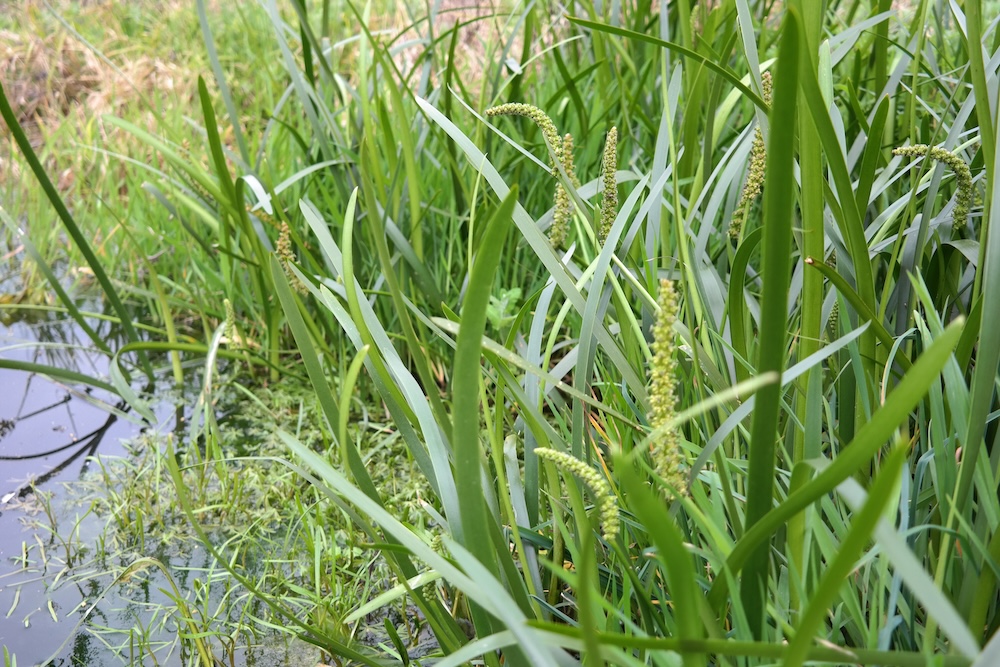
Water Ribbons
(Pictured above) As the name suggests, this plant has long, ribbon-like leaves that can grow to a height of up to 2m. They are a good choice for shallow waters and can grow partially or fully submerged in fresh water. The plant has thick, rhizome roots, meaning that they can spread rapidly if left alone. It’s best to try and keep these in small, isolated systems.
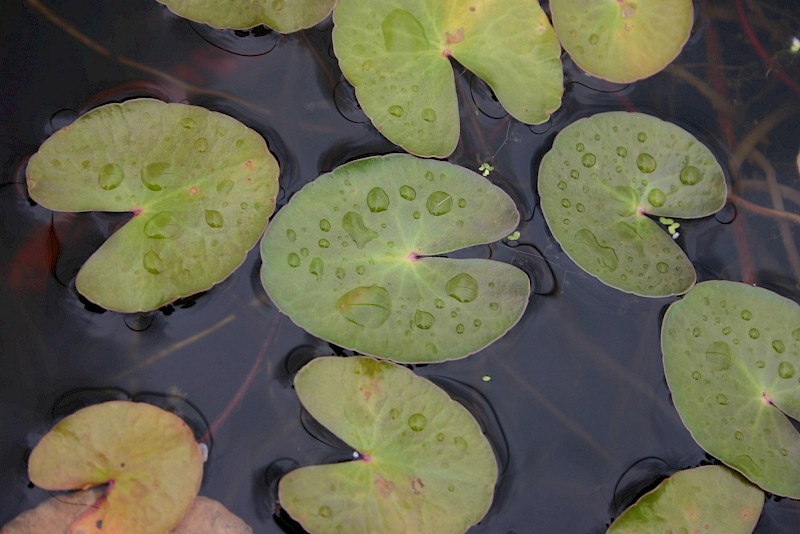
Marshwort
(Pictured above) Marshwort consists of lily-like leaves that float just below the water’s surface. Their flowers are bright yellow and will appear around November through to the end of April. This is a plant that does need to be monitored carefully, as it can rapidly cover the surface of waterways which can impede on draining and block light for other aquatic plants.
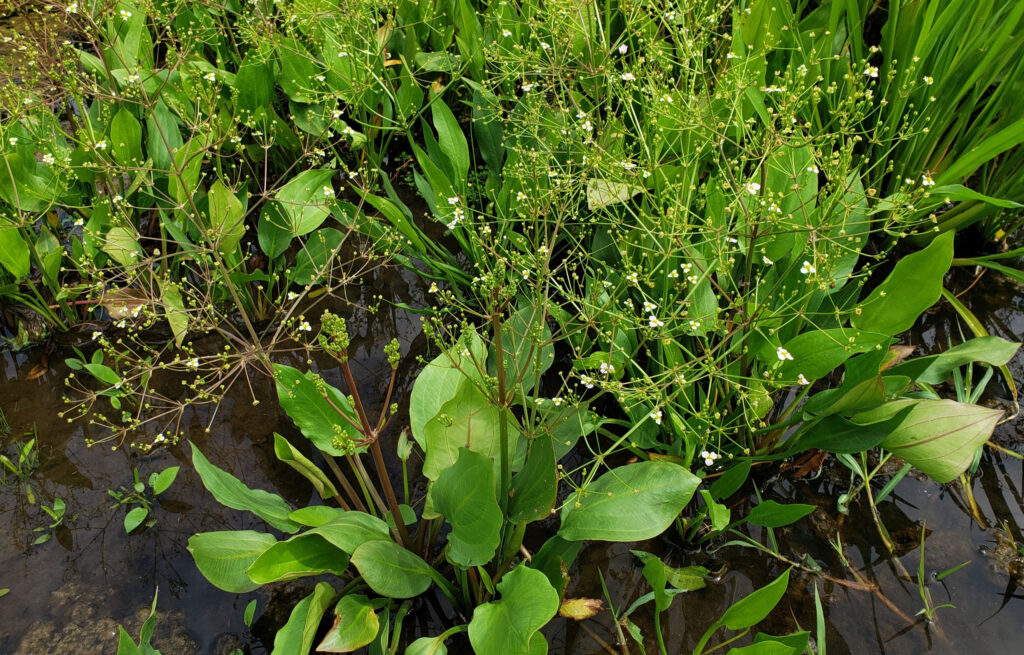
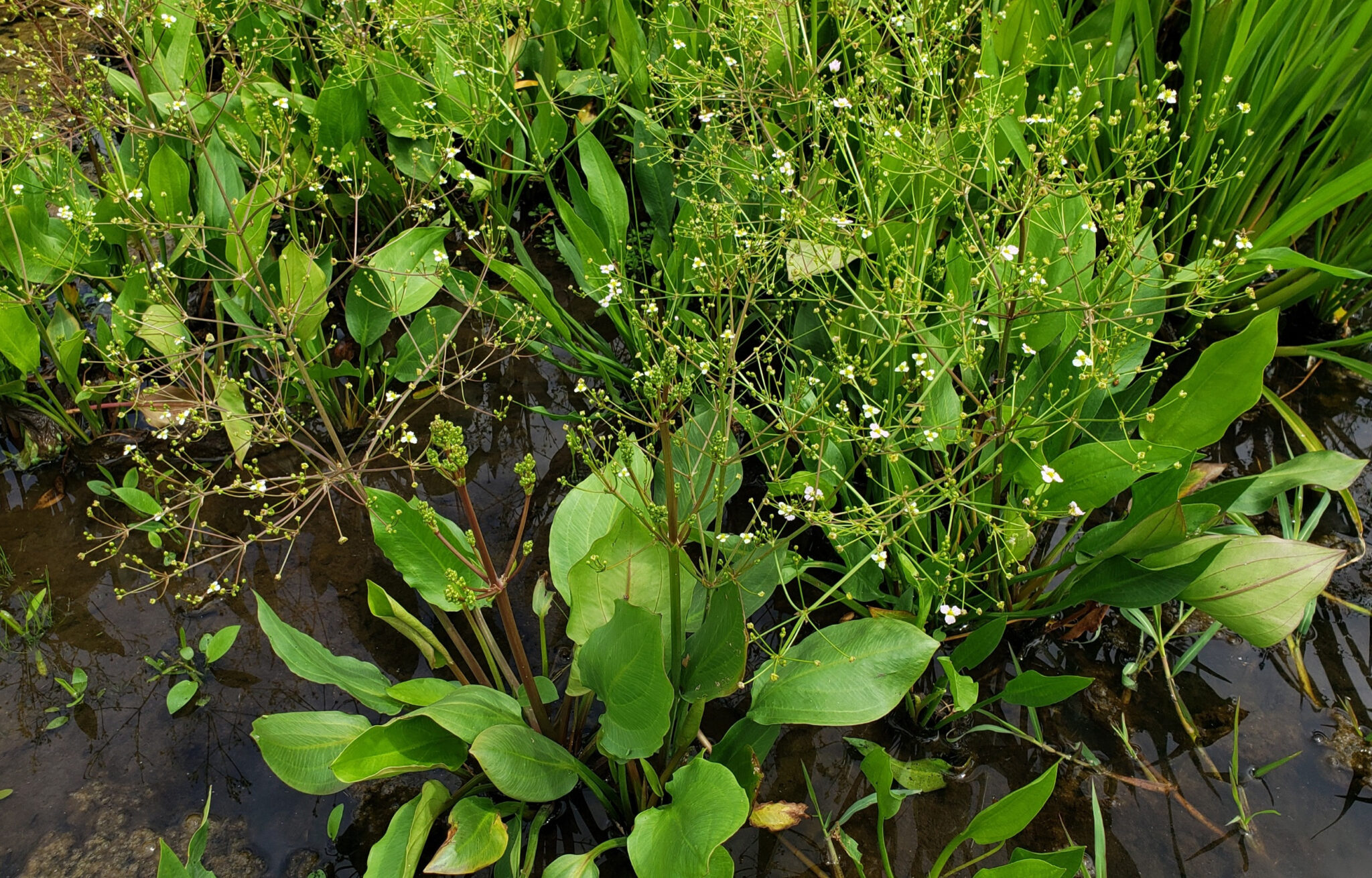
Water Plantain
(Pictured above) This plant is best suited for shallow water margins where there is a good source of constant, moist soil. It is identified by its pale, lilac flowers and will bloom between June and September. And while it’s great for providing shelter and resting for insects, it will die off quickly if the environment dries up.
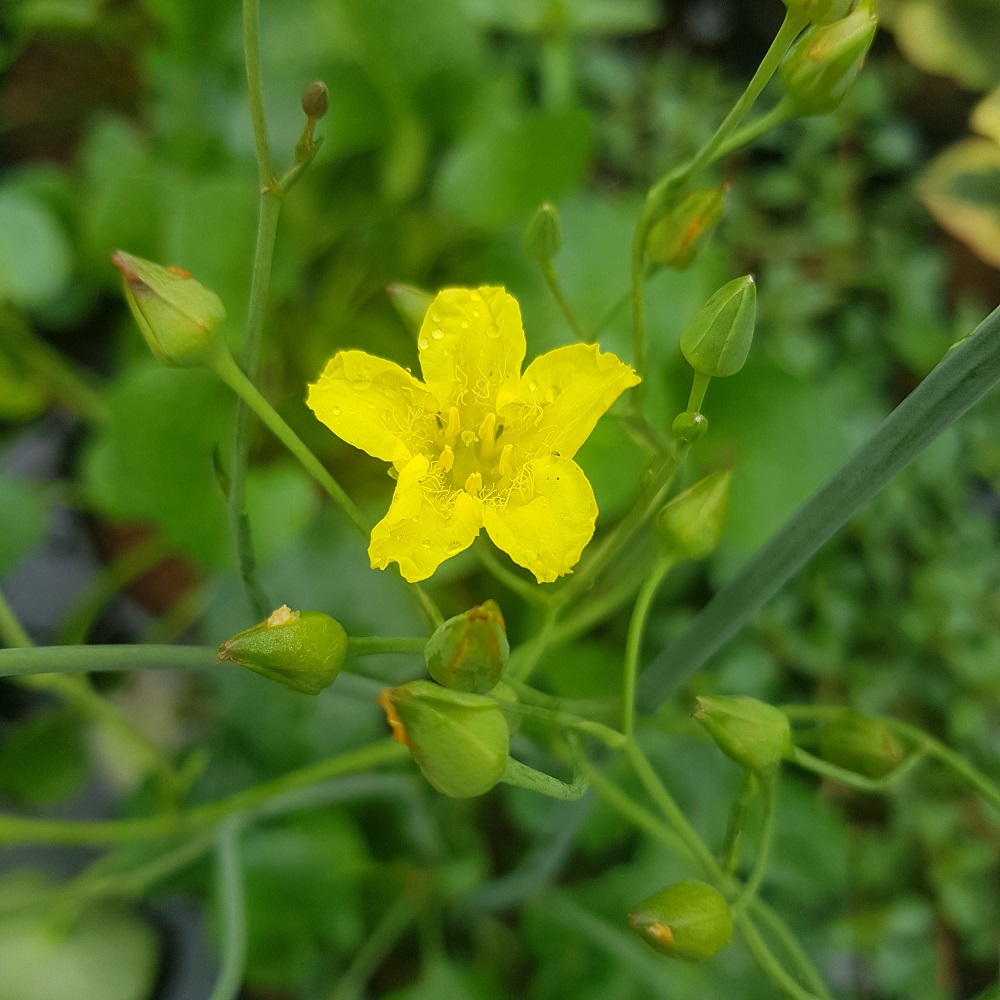
Running Marsh Flower
(Pictured above) Running marsh flowers are a great addition to any water gardens as they compete with algae for resources, keeping it under control. They have kidney-shaped leaves and bright yellow flowers that appear from October through to March. They do grow more slowly than other plants and prefer calm waters, and are generally a good low maintenance option.
In-Water Plants to Avoid
Now let’s briefly cover a few plants that we believe are not suitable as marginal pond plants.
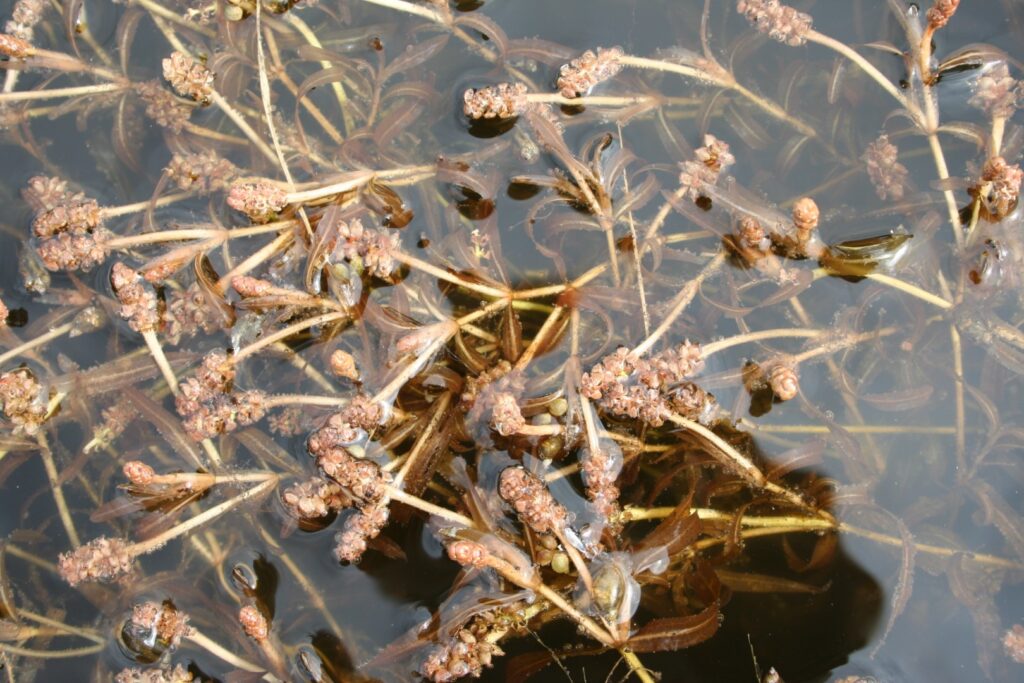
Blunt Pondweed
(Pictured above) This plant is extremely invasive when submerged in water. It quickly clogs water systems and reduces oxygen levels, affecting everything around it. And it’s also tricky to remove once established.
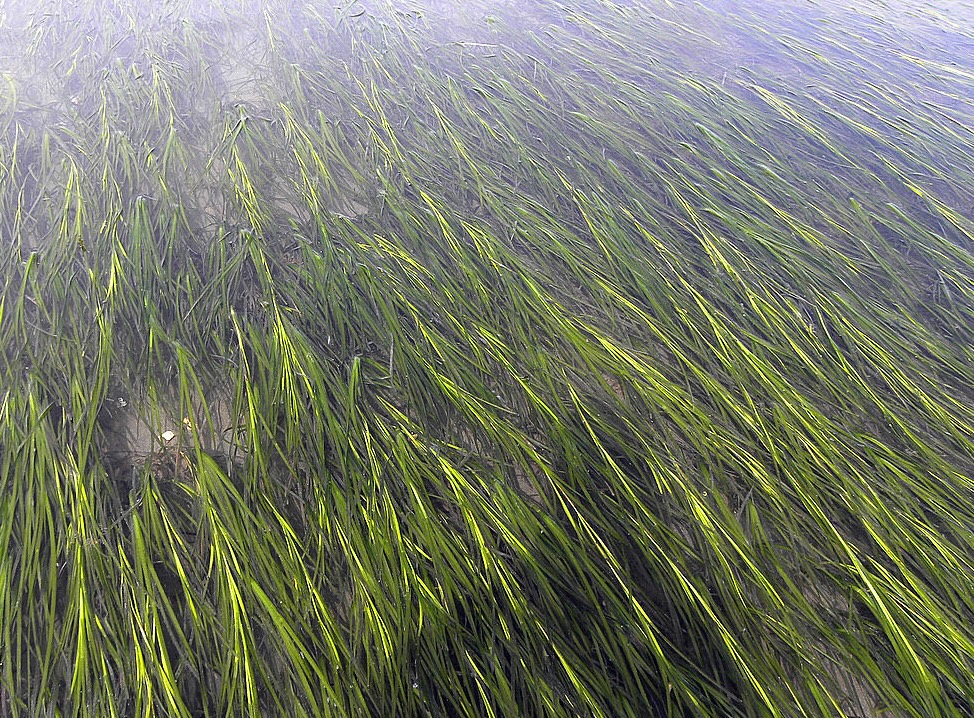
Eel Grass
(Pictured above) Eel grass forms on the base of a water space and grows rapidly. If left unchecked, it can quickly dominate small or shallow dams and reduce circulation.
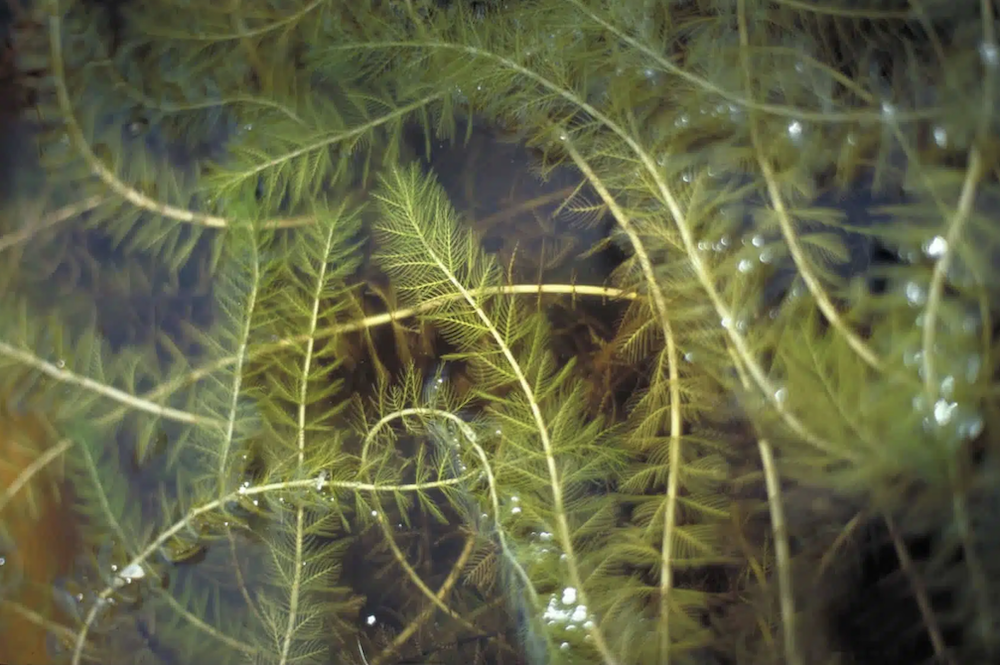
Water-milfoil
(Pictured above) While it can provide shelter for wildlife, water-milfoil is difficult to control once it gets going. It can quickly displace and dominate native species with huge floating mats.
Water’s Edge Plants
In much the same way as in-water grown plants, water’s edge plants can be both a blessing and a curse for waterways. We’ll take a look at some of those plants that we believe to be the most effective at enhancing your dams and ponds, as well as some to avoid wherever possible.
Best Water’s Edge Plants to Grow
These are critical buffer zone plants that help to filter nutrients, prevent algae blooms, and offer safe habitats for frogs, insects, and birds. These species thrive in intermittent wet and dry conditions, making them ideal for fluctuating water levels.
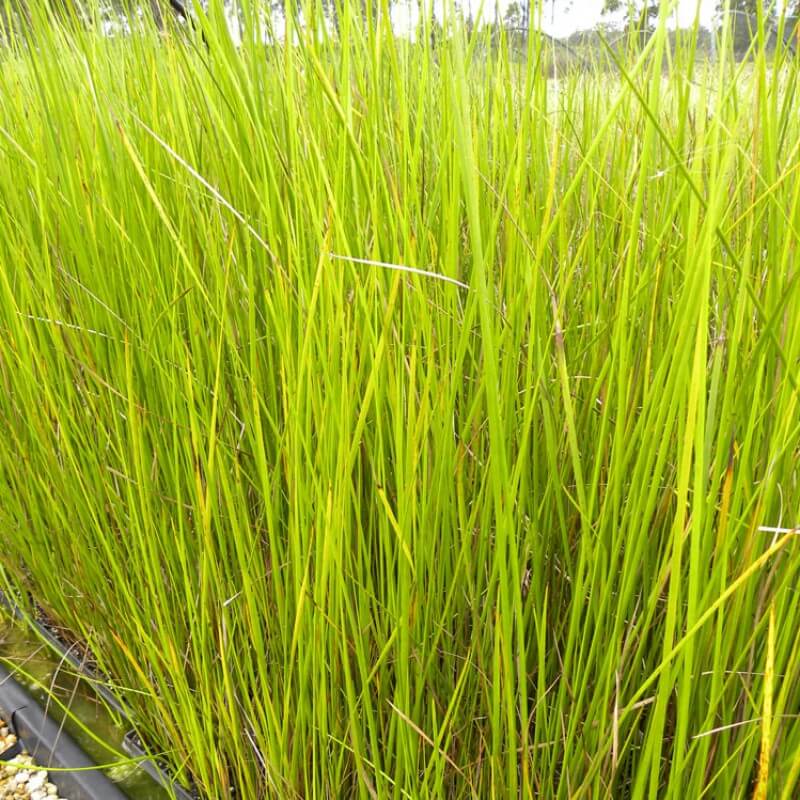
Soft Twig-rush
(Pictured above) This tough and adaptable plant is an ideal choice for damp banks and can grow up to 1m tall. They can spread densely if left unchecked, so while they act as an excellent barrier, they may require occasional pruning.
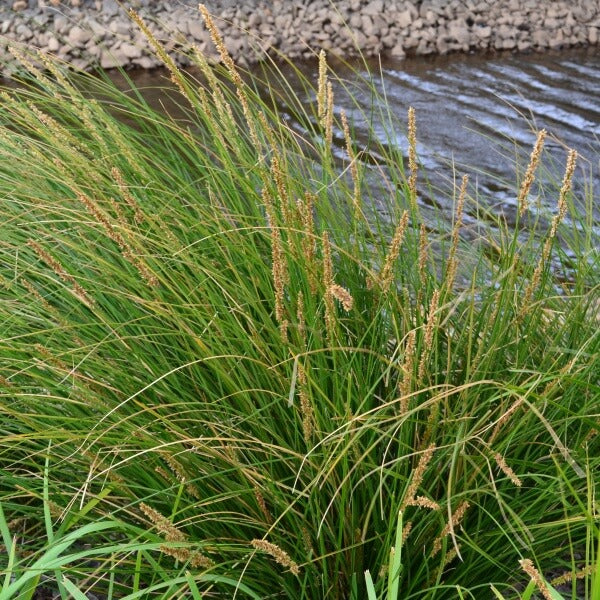
Tall Sedge
(Pictured above) Tall sedge are ideally suited for erosion control as they form strong clumps wherever they’re planted. Again however, they do grow vigorously if allowed, so you’ll likely need to step in occasionally.
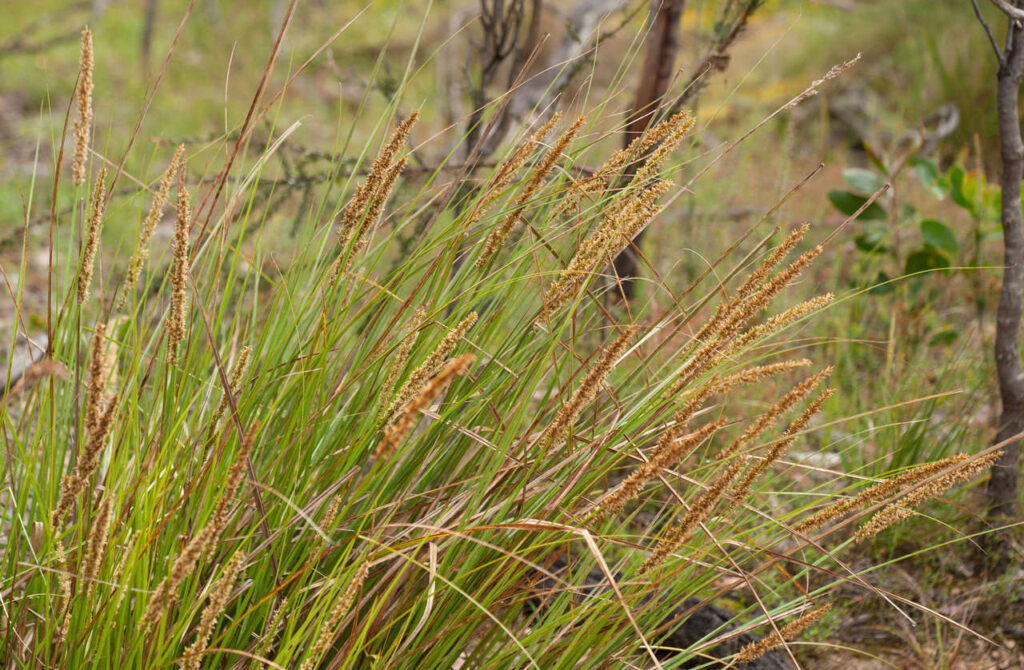
Basket Sedge
(Pictured above) Basket sedge is very resilient, making it a great choice for handling wet and dry cycles. It can become untidy and a little unwieldy, so you’ll have to trim a few stems now and again.
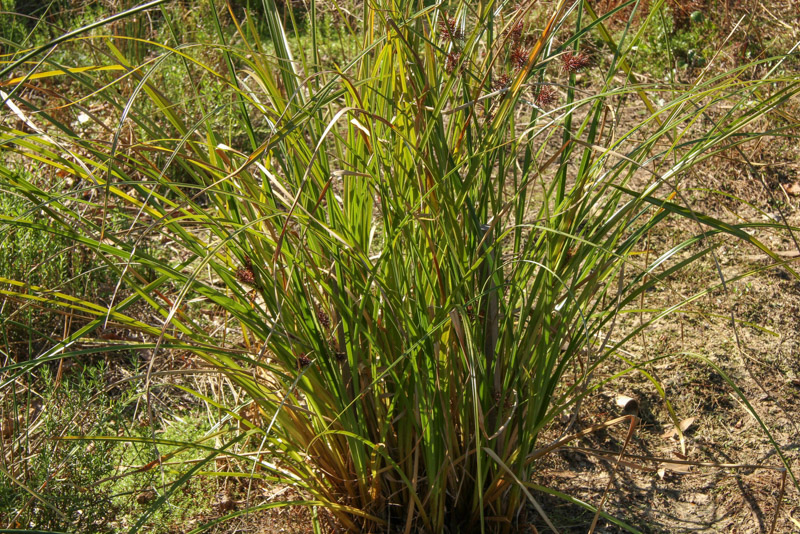
Leafy Flat-sedge
(Pictured above) This plant grows fast, so if you need something for quick coverage of your water gardens, then this is the one for you. It prefers full sun rather than indirect sunlight.
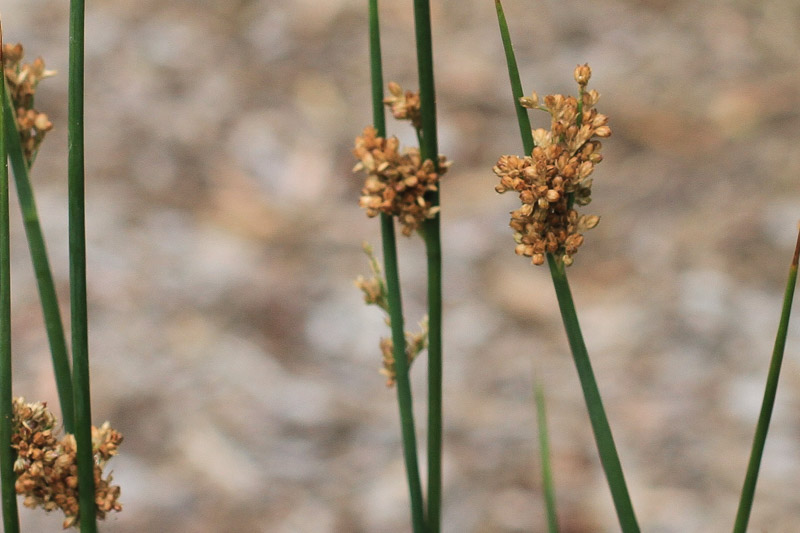
Hollow Rush
This is a plant that is very much at home in wet conditions. It’s ideal for slopes and can tolerate occasional inundation, though it is less comfortable in drought-like conditions.
Water’s Edge Plants to Avoid
These species, while often native and ecologically valuable in certain contexts, tend to be overly aggressive in artificial or small-scale dam environments. This can lead to maintenance issues, reduced biodiversity, or structural damage. As such, these are plants that we feel you should avoid for your areas.

Cumbungi
(Pictured above) This tall, reed-like plant can be a nightmare for ponds and dams. It’s extremely invasive and spreads rapidly via seeds and rhizones, with one flowerhead able to produce up to a million seeds.

Common Reed
(Pictured above) The common reed is a durable plant with a tough root system capable of penetrating dam walls over time, which can put the entire structure at risk. They also form monocultures which can quickly dominate a space.

Tall Spike Rush
(Pictured above) This is another dense plant that can overtake a water system if not maintained correctly. This plant is suitable in certain situations (e.g. if you require tall cover in places), but otherwise, we’d just stick to one of the previous marginal plants mentioned.
How to Successfully Install and Maintain Your Plants
If you select the right native aquatic plants for your pond or dam, you can rest in the knowledge that many of the ones we’ve chosen are very self-sufficient and, once they’re in place, can largely take care of themselves.
That being said, there are still a few tips that we would like to offer in order to safeguard the long-term stability of your water system. It doesn’t take much to upset the balance of your ecosystem, so you need to take your dam and pond plant maintenance seriously.
Below you’ll find what we believe to be the best practices for installing and maintaining your aquatic plants.
Research for your pond dimensions
Some aquatic plants are better suited to thrive in certain environments, some of which you might not be able to provide in your own water system. For example, certain subversive plants such as hornwort have roots that can grow up to 60cm long, so this plant might not be a good choice for shallow ponds. Some plants are a great source of food for fish, which might inadvertently lead to overfeeding.
If you have a list of plants you’d like to install, make sure you carry out your due diligence to ensure that they’ll be able to grow safely within your pond dimensions.
Work towards seasonal care
Some plants are capable of surviving year-round without much interference. However, others will likely die off during the winter months, becoming organic matter and rot for anaerobic bacteria which can quickly cause algae and other weeds to grow.
Likewise, certain native plants will grow aggressively when the temperature warms, which can also become a problem if left unattended.
Learn what changes to expect as the seasons pass and plan accordingly.
Combine with other types of water treatments
Aquatic plants are very good at what they do when it comes to supporting fish and other forms of life. However, they can be helped along the way if you take additional active steps to maintain your water quality. This can include things such as setting up an aeration system to prevent water stagnation and keep your water oxygenated.
You can also implement a probiotic solution such as Biostim which is completely harmless for your fish. Biostim helps to encourage the growth of aerobic bacteria cultures which feed off the nutrients that stimulate algal blooms and weed growth. With nothing to feed off, the algae and weeds will eventually starve and won’t become a threat to your fish and wildlife.
Check for biosecurity legislation in your region
Because Australia’s freshwater ecosystem is quite fragile, there are strict rules in place as to the types of plants you can and cannot plant for your fish pond or dam. Plants such as water hyacinth and salvinia are prohibited across all Australian states, and there will also be state-specific bans to be aware of.
Choosing native plants over exotic varieties is vitally important, not only from a safety viewpoint, but also a legal one.
Common Aquatic Plant Mistakes to Avoid
Many people, particularly if you are new to building water systems, often fall into the trap of allowing for too much surface cover with water lilies and other surface dwellers. Too much coverage will still protect fish from predators, but it will also run the risk of blocking out the sunlight which subversive plants need to survive. It’s why we always recommend that no more than 50% of your water body should be covered in this way.
Other common mistakes to avoid include:
- Neglecting pruning and trimming: Even native plants that are considered safe need to be trimmed and pruned regularly. Failure to do so may result in one species becoming too dominant, which will upset the balance of your ecosystem.
- Overstocking fish: Many infant ponds and water systems fail to get off the ground by releasing too many fish from the start. Resources such as oxygen and nutrients can be limited in the early stages. And fish will naturally breed, which will only add to the problem.
- Introducing invasive species: Many people, often accidentally, will plant an invasive species of plant without thinking too much of it. But the consequences can be damaging not only for your own pond, but for the surrounding area in general (in the event of a pollinating plant).
Final Thoughts
Fish ponds are often a great addition to any commercial and private outdoor space. They are relaxing to be around and often a safe haven for fish and other forms of aquatic life. Aquatic plants are a key ingredient to creating a successful long-term ecosystem where fish can grow and thrive. However, it’s vital that you select native species that won’t cause harm to your fish, such as the names we’ve provided in this article.
At Love My Pond, we’ve been a trusted source on information related to pond maintenance for over fifteen years. We’ve seen every type of water system imaginable, and we know how to get the best out of them.