
The Ultimate Australian Pond Maintenance Calendar
Ponds can only stay clear, healthy, and algae-free with regular maintenance and upkeep. The specifics depend on the season, with each month bringing new challenges.
Whether you’re part of a dedicated team or a solitary new pond owner, you can make sure your pond’s water thrives year-round. This means cleaning equipment, removing fish waste and sediment buildup, and maintaining a generally balanced ecosystem.
Keeping your pond water clean, especially in large ponds, is no easy task. In this article, we’ll walk you through each month of pond maintenance.
January (Be Ready for the Hottest Month)
As this is peak summer, make sure you monitor the pond’s temperature; the Australian heat might affect its water levels. You can always add extra tap water if necessary, just balance the pH afterwards.
Shade any fish if you can, and don’t feed them too much; they eat less in the heat. You should also keep on top of any debris build-up and regularly clean filters and pumps.
February (Activate Your Pond Aerator)
As the summer heat persists, consider using a pond aerator like the Hakko Aerator. These aerators use air-stations (often multiple) set up on the floor of your dam. These systems pump out air which becomes bubbles. These bubbles rise to the surface, getting larger and larger as they climb. This drags less-oxygenated bottom-waters to the surface where oxygen can enter the water. When the water becomes more oxygenated, it gets heavier and sinks, producing a circulating system.
Keep to the same pond cleaning schedule as January and remove any dead aquatic plants. As for fish, check them for signs of ill health, such as fungus or fin damage, exacerbated by heat.
March (Survey Post-Summer Stress)
When summer moves into autumn, you can check water levels less. However, you must still replace 10-20% of the water to refresh nutrients and add more beneficial bacteria, and prune water plants.
Check the pond liner and edges to make sure it has successfully withstood summer’s usual wear and tear. However, still watch the temperature – there might still be some hot days ahead.
April (Keep Pond Water Clean and Leaf-Free)
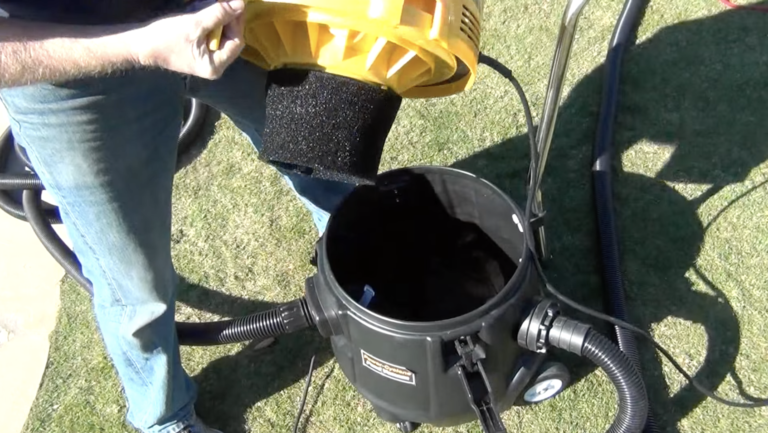
This month is practically defined by falling leaves, so make sure you have netting or other protections near your pond. If any leaf litter falls through the cracks, a pond vacuum should take care of it.
Make sure you also practice regular water testing, as stray leaves can add excess nutrients that affect your water quality. April is also another great time to prune submerged plants.
May (Prepare Fish and Aquatic Plants for Winter)
Later in autumn, you won’t work on the pond too much; you’ll mainly help it transition into winter. If the temperature dips below 10°C, pond fish and water lilies will likely go dormant until spring.
On this note, trim perennials so there’s only healthy roots for winter; all other sensitive plants should go inside. Even if your fish are dormant, keep your aerator or pond pump on, to be safe.
June (Slow Down Pond Activity)
Early winter sees little risk of pond evaporation; fish feeding and aeration also mostly stop until spring. If any tropical fish are still active, try to move them indoors for their own safety.
Keep your pond covered, but you may need some open water for circulation. You should also give filters and skimmer baskets one last check before leaving them until spring.
July (Essential Maintenance Only)
Leave the pond alone as much as you can in July; this means only carrying out water changes or trimming plants if necessary. Address rotting debris immediately to prevent ammonia buildup.
New pond owners struggle to leave their pond alone in July. Take this time to conduct off-pond maintenance, such as cleaning spare filter sponges and repairing any equipment damage.
August (Prepare Water Features for Spring)
In August, start quietly preparing for spring, such as by checking the water’s pH and other chemical levels. Only feed fish occasionally, assuming the water is above 10°C.
You can also plan new plant placements, but don’t actually plant them just yet. In addition, resume your pond’s filtration in full; just don’t sterilise your filters while cleaning them.
September (Restart Your Pond System)
September is when spring begins, ushering in a complete pond ecosystem restart. Replace 10-20% of the water again, and start testing the water system for nutrients every few days, or at least weekly.
Start feeding the fish once a day again, and don’t be afraid to introduce new plants, assuming it’s already spring weather. Finally, remove the pond cover and resume using aeration fountains.
October (Look at Anti-Algae Water Treatments)
With spring in full swing, keep an eye on algae growth and consider comprehensive water treatments to manage algae and sludge. Feed fish up to twice a day, and maintain around 50-60% shade coverage.
Your plants should grow faster this month, so try to thin them early to avoid overcrowding later on. That said, don’t underplant or over-trim; otherwise, you’ll risk massive algae growth in the coming months.
November (Prepare for the Heat)
This is the month when you keep everything in balance in preparation for summer. To help with this, top up the pond’s water regularly, and watch out for nitrates, which adversely affect your fish.
Speaking of fish, keep feeding them consistently, but start slowing down. Your plants should give you plenty of shade, and if everything comes together, your pond shouldn’t risk any algae outbreaks.
December
As summer begins, watch out for the heat. Evaporation is a major risk, and December serves as a trial by fire of your November preparations; remember, the true heatwave to worry about is in January.
Feed your fish sparsely, and only when it’s (relatively) cool, such as early morning. Trim any decaying leaves and run aerators or waterfalls overnight; also, check that your pumps can handle the heat.
Get Free Advice
Most months, pond maintenance involves the same broad tasks: checking the water, trimming plants, feeding fish, and running basic equipment. However, each month has its own purpose.
At Love My Pond, we have the tools to keep your pond in top shape year-round. Our professional team is also always on hand to offer advice on how to keep your pond healthy in extreme temperatures.
Request a callback today to learn more and benefit from over 15 years of Australia-wide pond expertise.